Battery Chemistry for Solar Lighting: LiFePO4 vs NiMH vs Lead-Acid
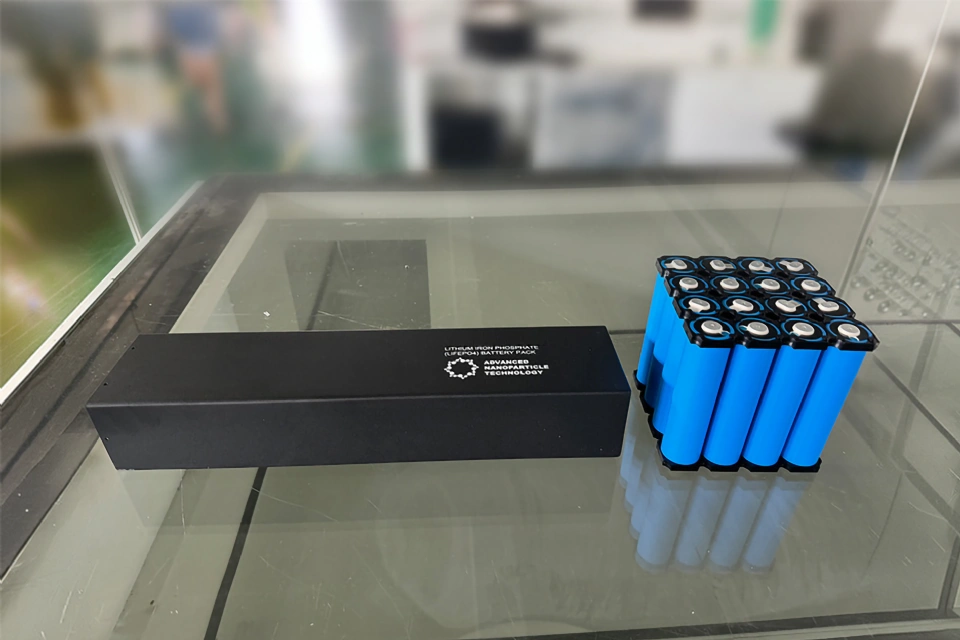
Battery chemistry is the highest-leverage choice in solar lighting — it determines both reliability and 20-year cost. LiFePO4 is the default for most commercial systems; NiMH suits sustained extreme cold; lead-acid is the cheapest but shortest-lived. This guide compares them and shows how to choose.
The comparison
| Property | LiFePO4 | NiMH | Lead-Acid |
|---|---|---|---|
| Cycle life | 2,000–4,000+ | ~1,000–2,000 | 300–800 |
| Service life | 8–10 yr | 5–7 yr | 2–3 yr |
| Energy density | High | Moderate | Low |
| Cold performance | Good (with protection) | Excellent | Poor |
| Upfront cost | Higher | Moderate | Lowest |
How to choose
LiFePO4 is the default — best life and density, broad temperature range with low-temp charge protection, and the best lifecycle cost. NiMH shines in sustained extreme cold. Lead-acid suits only low-budget, mild-climate, short-life jobs.
Why it drives lifecycle cost
The battery is the main wear item, so its life largely determines 20-year maintenance cost. LiFePO4's long life usually wins despite the higher upfront price. 360 Solar specifies chemistry per climate and project life, with conservative depth-of-discharge for longevity.
Frequently asked questions
What battery is best?
LiFePO4 for most projects; NiMH for extreme cold; lead-acid cheapest/shortest.
How long do they last?
LiFePO4 ~8–10 yr, NiMH ~5–7, lead-acid ~2–3.
Best for cold?
NiMH for extreme cold; LiFePO4 with low-temp charge protection.
Ask which chemistry fits your site at 360solarlighting.com/free-quote.