Commercial Solar Lighting: The Complete Guide for 2026
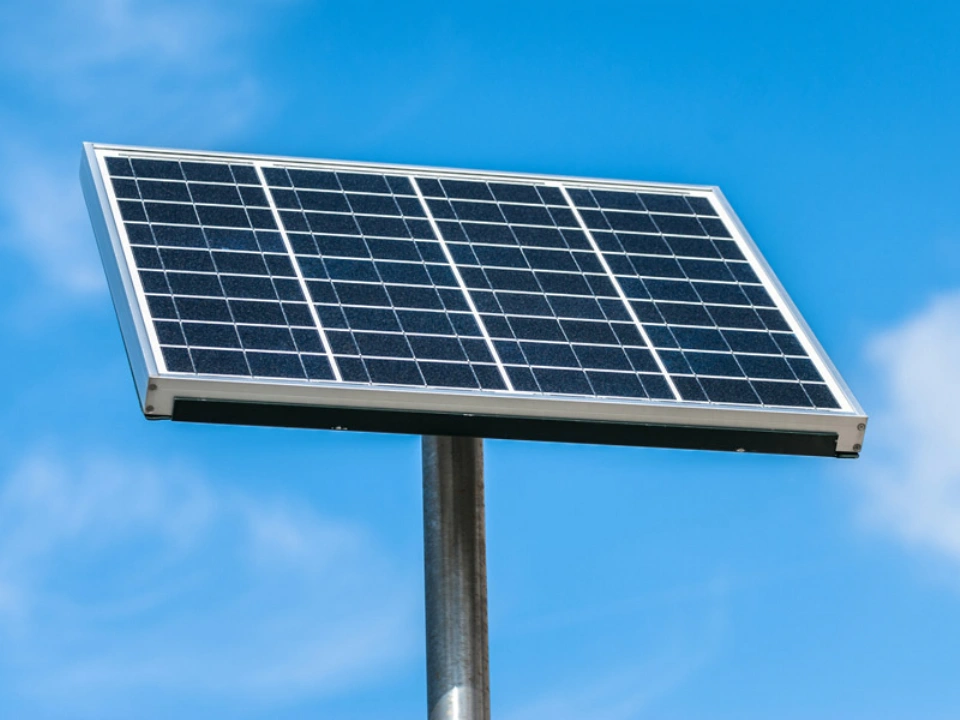
Commercial solar lighting uses a PV panel, battery, charge controller, and LED to light streets, parking lots, parks, and infrastructure entirely off-grid — no trenching, no electric bills. Unlike consumer solar lights, commercial systems are engineered to meet IES light levels and run reliably every night, year-round. This guide is the foundation: how the systems work, the engineering that makes them reliable, where they fit, and how to buy.
How it works
By day the panel charges the battery through the controller; at dusk the controller switches the LED on, drawing from the battery through the night, then recharges the next day. Autonomy lets it run through cloudy days. The four components — panel, battery, controller, LED — are sized together to balance harvest, storage, and load.
Why it's growing
Solar eliminates trenching (often the costliest part of a grid install), utility hookup, and energy bills; installs faster; and keeps running during grid outages. For municipalities, parks, campuses, and remote sites, it's increasingly the lower total-cost and more resilient choice.
The engineering that matters
- Worst-month sizing: design to the lowest-sun month (usually December in the northern US), not the annual average.
- Autonomy: typically 3–5 days of operation without sun (more for critical or northern sites).
- Battery & BMS: LiFePO4 for most projects (long life, broad temperature range); NiMH for extreme cold.
- MPPT control: harvests 10–30% more than PWM, especially in cold and cloud.
- Photometrics: meet the IES level for the application (roadway RP-8, parking/area).
Where it fits
Streets and roadways, parking lots and yards, parks and pathways, security perimeters, transit stops, campuses, and off-grid sports courts — plus smart solar poles that add cameras, sensors, and Wi-Fi.
Engineered vs catalog
The difference between solar that works for 20 years and solar that fails by February is engineering to the site, not catalog assumptions. 360 Solar sizes every system to its worst month and provides a free engineered layout.
Frequently asked questions
How does commercial solar lighting work?
A panel charges a battery by day; a controller runs the LED at night, off-grid, with reliability set by correct sizing.
What makes it reliable?
Worst-month sizing plus autonomy, quality LiFePO4 batteries, and MPPT control.
Is it cheaper than grid?
Often, over 20 years, once trenching, hookup, and energy bills are counted.
What does a solar street light cost?
~$2,000–$6,000+ per installed pole, spec-dependent.
Get a free engineered solar layout at 360solarlighting.com/free-quote.