How Solar Street Lights Work: Panel, Battery, Controller & LED
A solar street light works in a simple cycle: the photovoltaic panel converts daylight to electricity that charges a battery (managed by a charge controller); at night the controller powers the LED from stored energy — often with dimming or motion control — running fully off-grid with no wiring or electric bill. This guide explains each component, the daily cycle, and what actually makes one reliable.
The four components
- PV panel — converts sunlight to DC electricity by day.
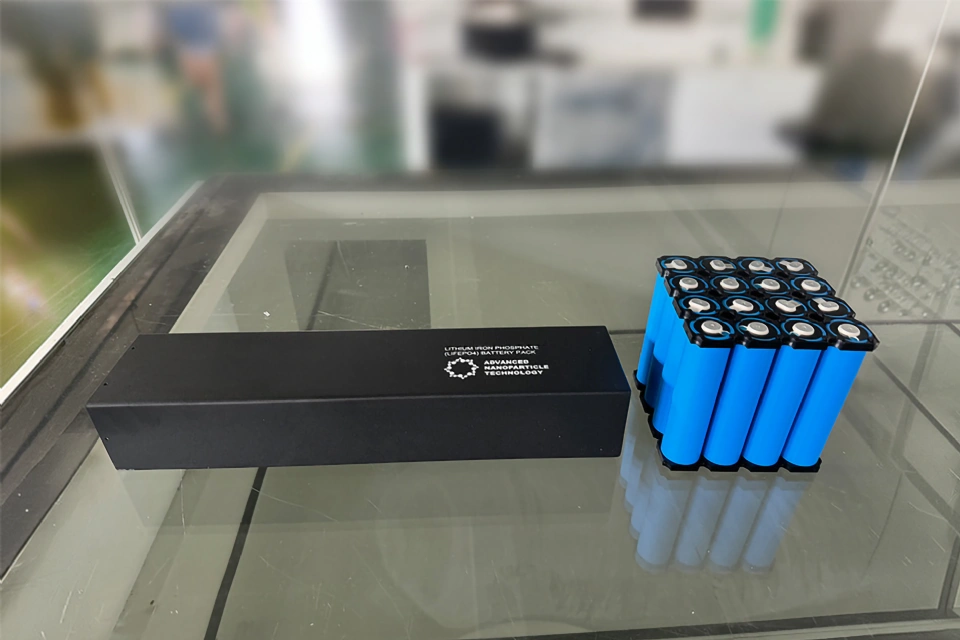
- Battery — stores that energy for night use (LiFePO4 most common).
- Charge controller (MPPT) — manages charging/discharging, protects the battery, and optimizes harvest.
- LED fixture — delivers the light, often with dimming or motion profiles.
The daily cycle
By day the panel charges the battery through the controller. At dusk the controller switches the LED on, drawing from the battery through the night, then recharges the next day. Autonomy lets the system run through cloudy days without recharging.
What makes one reliable
Reliability comes from sizing the panel and battery to the site's worst month plus autonomy, using MPPT control and a quality battery — not from the technology being "automatic." Undersized catalog units are what fail in winter.
Why no wiring matters
Because each pole is self-contained, there's no trenching, conduit, or meter — eliminating the costliest part of a grid install and every future energy bill.
Frequently asked questions
How do solar street lights work?
A panel charges a battery by day; a controller runs the LED at night, off-grid.
What are the parts?
Panel, battery, MPPT controller, and LED fixture.
How long do they stay on?
Typically 10–12 hours dusk-to-dawn, with autonomy for cloudy days.
Do they need wiring?
No — each pole is self-contained, so no trenching or meter.
Get an engineered solar layout at 360solarlighting.com/free-quote.