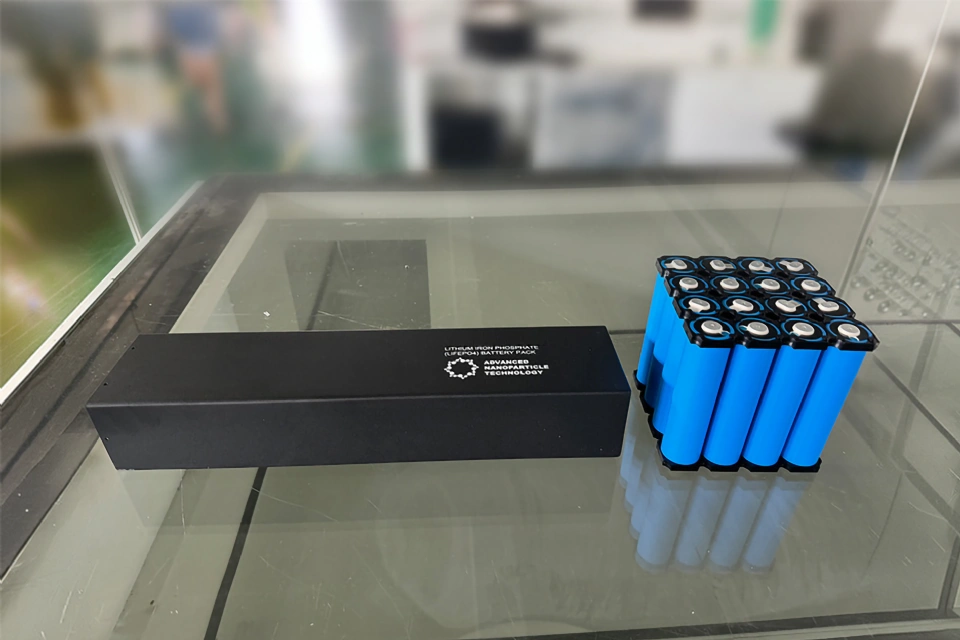
Lead-Acid vs Lithium Solar Lighting Batteries
Lithium (LiFePO4) lasts 3–4× longer, weighs far less, tolerates more cycles, and performs better in cold than lead-acid — at a higher upfront price. Lead-acid is cheap initially but typically lasts only 2–3 years and performs poorly in cold, making lithium the lower lifecycle-cost choice for commercial solar lighting.
This comparison helps you weigh upfront price against lifecycle cost.
At a glance
| Lithium (LiFePO4) | Lead-acid | |
|---|---|---|
| Life | 8–10 yr | 2–3 yr |
| Weight | Light | Heavy |
| Cold | Good (with protection) | Poor |
| Upfront cost | Higher | Lower |
How to choose
Choose lead-acid only for low-budget, mild-climate, short-life jobs where lowest upfront cost outweighs its short life and poor cold performance. Choose lithium for long life and lowest total cost — its 8–10 year life means one or two replacements over a 20-year fixture life, versus many for lead-acid, so the total cost (plus the service trips to a remote off-grid site) is usually lower despite the higher upfront price. For commercial solar lighting, lithium is the standard for exactly this reason.
Frequently asked questions
Lead-acid or lithium for solar lighting?
Lithium (LiFePO4) lasts 3–4× longer, weighs less, and performs better in cold, at a higher upfront price; lead-acid is cheap but lasts 2–3 years. Lithium is the lower lifecycle-cost choice.
When is lead-acid acceptable?
Only for low-budget, mild-climate, short-life jobs.
Why is lithium lower lifecycle-cost?
Its 8–10 year life means far fewer replacements over a 20-year fixture life, so total cost is usually lower.
Does lithium perform better in cold?
Yes — better than lead-acid, needing only low-temperature charge protection.
Is the higher upfront price worth it?
Usually — over 20 years, fewer replacements and service trips make lithium cheaper overall.
Request a lifecycle-cost comparison. Get it at 360solarlighting.com/free-quote.