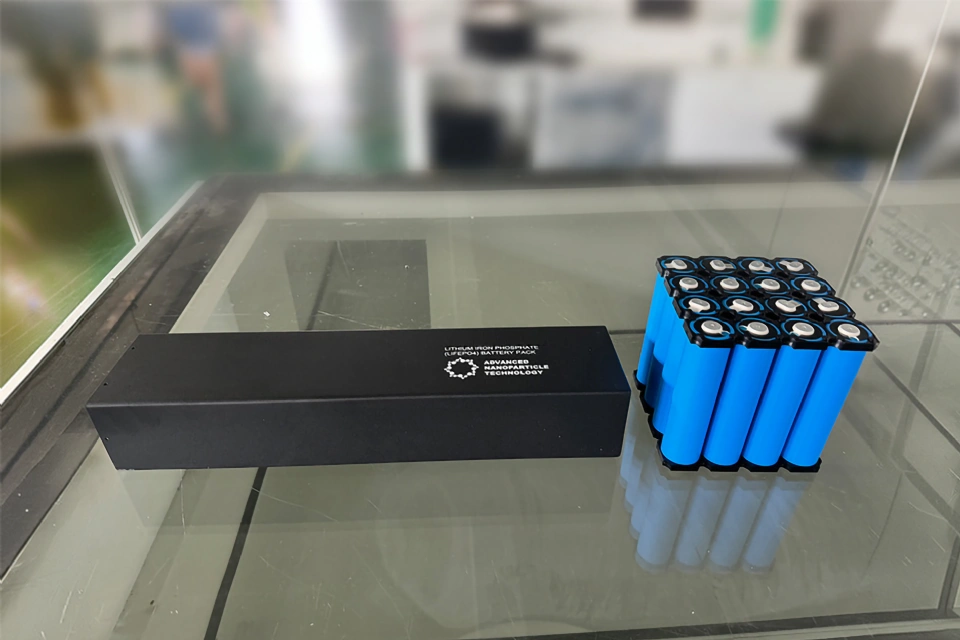
LiFePO4 vs NiMH vs Lead-Acid: Engineering Trade-offs
Battery chemistry is the highest-leverage engineering choice in solar lighting, and the trade-offs across energy density, cycle life, temperature tolerance, safety, and cost determine both reliability and 20-year cost. Get the chemistry right for the climate and the project will run reliably and economically; get it wrong and you're either over-paying or replacing batteries every couple of years.
This reference compares the three chemistries, explains how to choose, and applies the lifecycle lens.
The comparison
| Property | LiFePO4 | NiMH | Lead-Acid |
|---|---|---|---|
| Cycle life | 2,000–4,000+ | ~1,000–2,000 | 300–800 |
| Service life | 8–10 yr | 5–7 yr | 2–3 yr |
| Density | High | Moderate | Low |
| Cold | Good (with protection) | Excellent | Poor |
| Upfront cost | Higher | Moderate | Lowest |
How to choose
LiFePO4 is the default for most commercial solar lighting — long life, high density, broad range with low-temp charge protection, and the best lifecycle cost. NiMH shines in sustained extreme cold and is very safe. Lead-acid suits only low-budget, mild-climate, short-life jobs where the lowest upfront cost outweighs its short life and poor cold performance. The climate and required life point to the right answer.
The lifecycle lens
Because batteries are replaced periodically, upfront price misleads. LiFePO4's long life usually yields the lowest total cost over a 20-year fixture life — a lead-acid battery replaced six or eight times can cost more in total (plus the service trips) than one or two LiFePO4 replacements. Judge chemistry on lifecycle cost, not the sticker. 360 Solar specifies chemistry per climate and project life.
Frequently asked questions
Which battery chemistry is best?
LiFePO4 for most commercial solar lighting — long life, high density, good cold performance with protection, and best lifecycle cost. NiMH for extreme cold; lead-acid for low-budget, mild, short-life jobs.
How do the chemistries compare?
LiFePO4: 8–10 yr, high density, good cold. NiMH: 5–7 yr, excellent cold. Lead-acid: 2–3 yr, low density, poor cold, cheapest upfront.
How do you choose?
Match to climate and project life — LiFePO4 default, NiMH for extreme cold, lead-acid only for low-budget mild-climate jobs.
Why judge on lifecycle, not upfront?
Batteries are replaced periodically; LiFePO4's long life usually yields the lowest total cost over a 20-year fixture life.
Is lead-acid ever the right choice?
Only for low-budget, mild-climate, short-life applications where lowest upfront cost outweighs short life.
Ask which chemistry fits your site. Get a free assessment at 360solarlighting.com/free-quote.