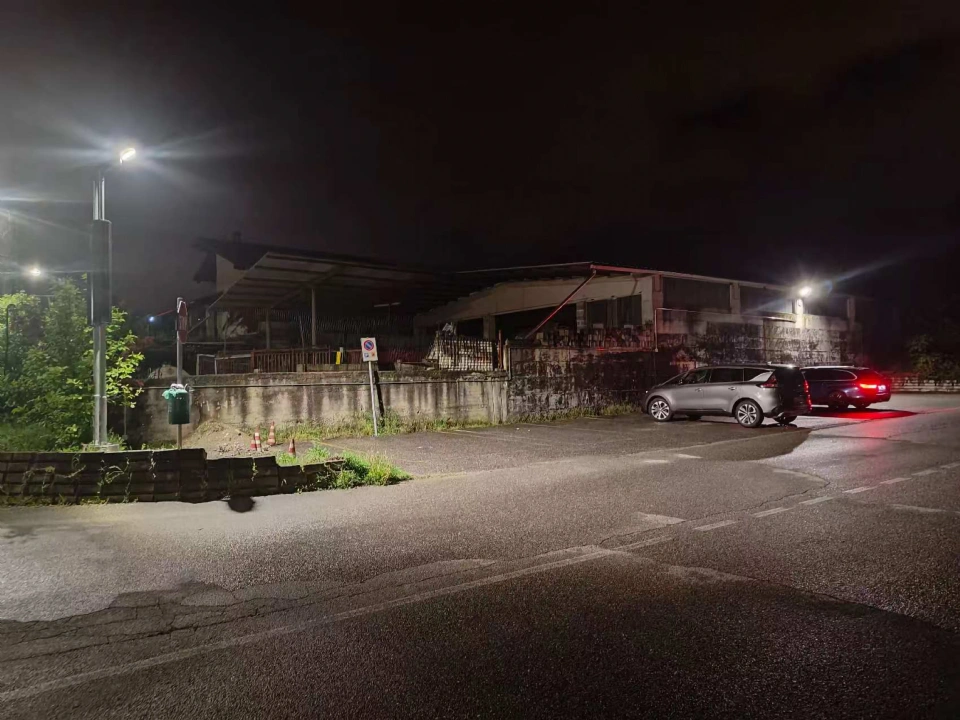
Off-Grid Lighting for Remote & Rural Sites
Off-grid solar lighting brings reliable light to sites the grid can't economically reach — rural roads and intersections, trailheads and parks, agricultural facilities, remote parking, and infrastructure — running entirely on solar with no trenching, no utility hookup, and no energy bills. This guide covers where off-grid makes sense, how to keep it reliable, and maintenance.
The remote-site problem
Extending grid power to a remote location can cost enormous sums in trenching, poles, and utility work — often far more than the lighting itself. Solar sidesteps this entirely, lighting sites where running a line would be prohibitively expensive.
Where it applies
Rural roads and intersections, trailheads and greenways, agricultural operations, remote parking and storage yards, and infrastructure such as signage and monitoring far from power.
Reliability in remote settings
Because service visits are costly, remote sites especially benefit from quality components, conservative worst-month sizing with autonomy, durable IP66/IK fixtures, and remote monitoring that flags issues before a failure. Cold or cloudy regions need larger panel/battery ratios and cold-tolerant batteries.
Maintenance
Upkeep is minimal — periodic panel cleaning, battery health checks, and battery replacement roughly every 8–10 years for LiFePO4. Remote monitoring turns maintenance from reactive to scheduled.
Frequently asked questions
When is off-grid solar the best option?
When extending the grid would cost far more than the lighting — remote/rural sites.
Is it reliable at remote sites?
Yes, with worst-month sizing, durable fixtures, and remote monitoring.
How is it maintained?
Panel cleaning, battery checks, and a battery swap every ~8–10 years.
Does it work in cloudy or cold regions?
Yes, when sized to the worst month with autonomy and cold-tolerant batteries.
Request an off-grid lighting design at 360solarlighting.com/free-quote.