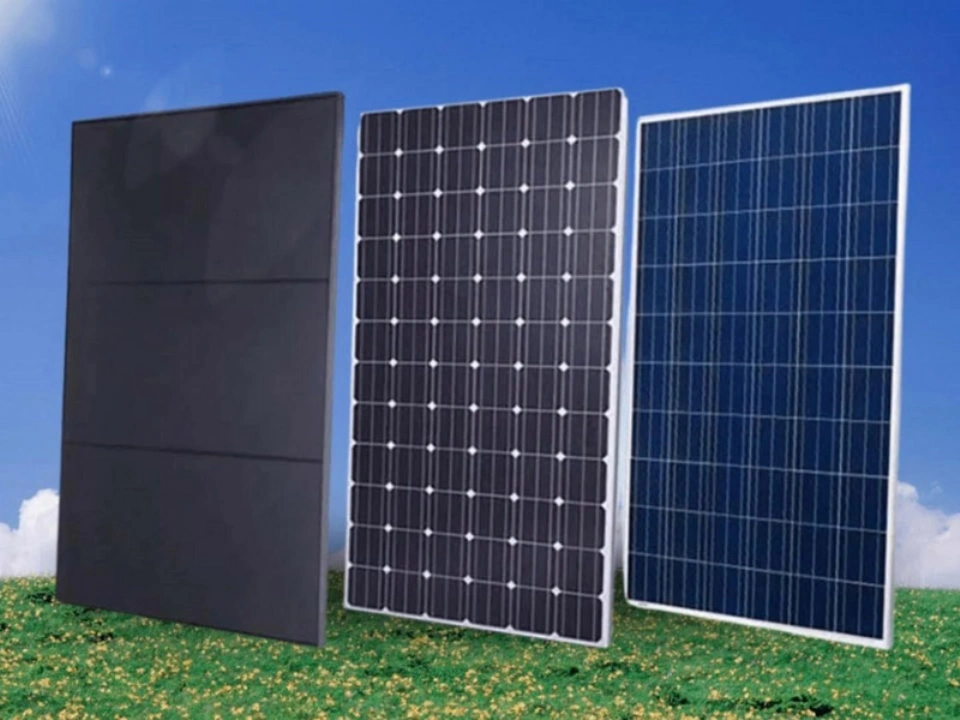
PV Panel Sizing, Tilt & Orientation for US Latitudes
Getting the most from a solar lighting panel comes down to three levers — size it to the worst-month load, tilt it to favor winter sun, and orient it true south — and dialing these in for the site's latitude keeps lights on through the darkest weeks. The panel is the harvest side of the energy balance, and these three decisions determine how much energy it actually collects when it matters most.
This reference covers sizing, tilt and orientation, and latitude-specific design.
Sizing
Panel wattage ≈ daily watt-hours ÷ (worst-month peak sun hours × system efficiency), with derates for controller, wiring, soiling, and temperature. The key word is worst-month: undersize the panel against the darkest month and the battery never fully recharges in winter, slowly depleting until the light fails. Size to the worst month with real derates, not nameplate.
Tilt and orientation
A common rule sets tilt near the site latitude for year-round balance; but for solar lighting, tilting steeper than latitude (latitude + ~10–15°) favors the low winter sun — when the system is most stressed — and helps shed snow. In the northern hemisphere, panels face true south; deviations reduce harvest and must be offset by a larger panel. Shading is checked and avoided, since even partial shade disproportionately cuts output.
Latitude-specific design
| Latitude | Design response |
|---|---|
| Lower (sun belt) | Smaller panel, moderate tilt |
| Higher (northern) | Larger panel, steeper tilt, more battery |
Higher-latitude sites need larger panels, steeper tilts, and more battery for the same fixture. Using a sun-belt spec up north is a classic failure mode. 360 Solar sizes panel, tilt, and orientation to each site.
Frequently asked questions
How do you size a solar lighting panel?
Panel wattage ≈ daily watt-hours ÷ (worst-month peak sun hours × system efficiency), with derates for controller, wiring, soiling, and temperature.
What tilt should it have?
Steeper than latitude (latitude + ~10–15°) for solar lighting, to favor low winter sun and shed snow.
Which way should it face?
True south in the northern hemisphere; deviations reduce harvest and need a larger panel, and shading must be avoided.
Why do higher latitudes need bigger systems?
Less winter sun and lower angles mean larger panels, steeper tilts, and more battery for the same fixture.
Can I use a southern spec up north?
No — it's a classic failure mode; northern sites need location-specific worst-month sizing, steeper tilt, and more storage.
Request a latitude-specific PV design. Get it at 360solarlighting.com/free-quote.