Solar Lighting & Resilience During Power Outages
Solar lighting keeps running during grid outages on its own stored energy — exactly when conventional lighting goes dark — making it a resilience asset for emergency routes, shelters, intersections, and critical facilities. Systems sized with autonomy (or hybrid backup) operate through multi-day outages. In an era of more frequent severe weather and grid stress, this resilience is increasingly a primary reason to choose solar, not just a side benefit.
This guide explains the resilience gap in grid lighting, how solar rides through, and where it matters most.
The resilience gap
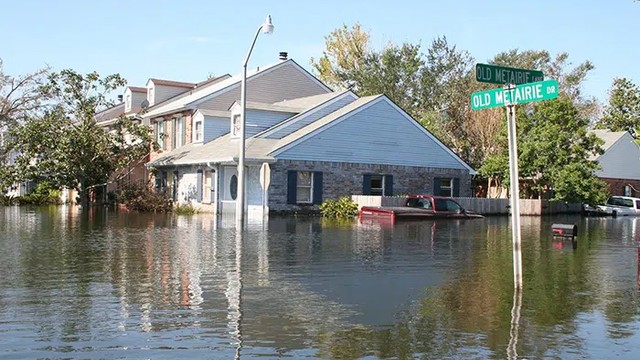
Grid lighting has a fundamental vulnerability: it fails during the storms and outages when light is needed most. The same event that knocks out power — a hurricane, ice storm, or grid failure — leaves roads, crossings, shelters, and facilities dark precisely during the emergency. Generators can backfill, but they're costly, need fuel and maintenance, and aren't deployed at most lighting points. So conventional lighting tends to go dark exactly when its absence is most dangerous.
How solar rides through
Solar lighting runs on its battery regardless of grid status. An autonomy-sized system continues operating through multi-day outages on stored energy, recharging from the sun each day independent of the grid. For the highest assurance, hybrid systems explicitly provide ride-through, combining solar with grid backup. Either way, the lights stay on through the event — turning lighting from a casualty of the outage into an asset during it.
Where it matters most
| Application | Why resilience matters |
|---|---|
| Evacuation / emergency routes | Must stay lit during the events that cut power |
| Shelters, EMS / fire facilities | Critical operations during emergencies |
| Intersections & crossings | Safety when signals and grid lighting fail |
| Remote infrastructure | Hard to reach with generators |
Resilience designs add autonomy margin or hybrid backup for assured operation, and framing a project around resilience can open funding from programs that prioritize emergency preparedness. 360 Solar designs resilient lighting for these critical applications.
Frequently asked questions
Does solar lighting work during power outages?
Yes — it runs on stored battery energy regardless of grid status, so it stays lit when grid lighting goes dark. Autonomy-sized or hybrid systems operate through multi-day outages.
Where does resilience matter most?
Evacuation and emergency routes, shelters and EMS/fire facilities, intersections and crossings, and remote infrastructure.
How is solar designed for resilience?
By adding autonomy margin to ride through multi-day outages, or using hybrid backup for assured operation. Resilience framing can also open funding.
Why is grid lighting a resilience gap?
It fails during the storms and outages when light is needed most, and generators are costly and not deployed at most lighting points.
Can resilience help fund a project?
Yes — framing around emergency preparedness and resilience can open funding from programs that prioritize it.
Ask about resilient solar lighting with a free certified design. Get it at 360solarlighting.com/free-quote.