Solar Lighting Autonomy & Designing for Worst-Month
Autonomy is the number of nights a solar light runs without sun, typically 3–5 days; worst-month design sizes the system to the lowest-sun month rather than the annual average. Together they guarantee reliable operation through cloudy stretches and winter. This guide explains both and why they're the dividing line between solar that works and solar that fails.
Autonomy is weather insurance
Autonomy buffers cloudy days. Too little and lights die during a cloudy week; too much needlessly inflates battery cost. The right figure depends on climate and criticality — a security site warrants more than a decorative path.
Worst-month design
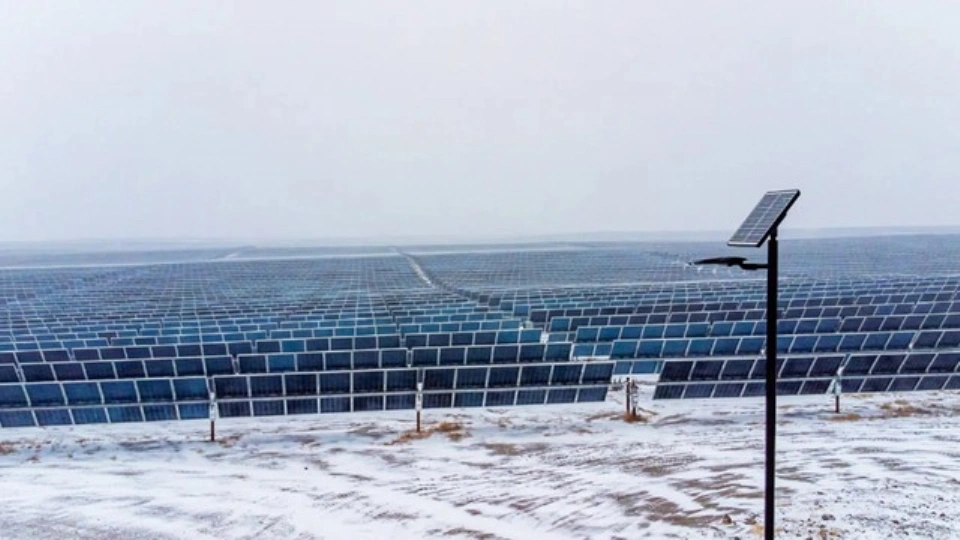
Solar resource varies by season and latitude; a northern site may get under half its summer sun in December. Worst-month design sizes panel and battery against the limiting month using site-specific data (NREL/PVWatts), guaranteeing year-round operation rather than just summer performance.
How they work together
The worst month sets the panel; autonomy sets the battery. Both are required — and both are why a sun-belt spec fails when applied to a northern site. 360 Solar sizes both to each site.
Frequently asked questions
How many nights of autonomy?
Typically 3–5; 5+ for critical or northern sites.
What is worst-month design?
Sizing to the lowest-sun month relative to the load, not the average.
How do they work together?
Worst month sets the panel; autonomy sets the battery.
Request a worst-month/autonomy study at 360solarlighting.com/free-quote.